
Understanding New Jersey Foreclosure Defense: Legal Strategies to Delay or Prevent a Sale
Nov. 5, 2026
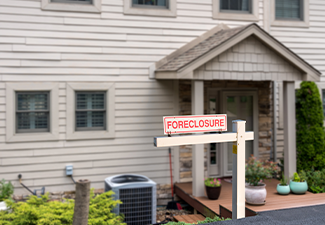 Receiving a foreclosure notice does not mean you are about to lose your home. New Jersey requires lenders to go through the courts, and that process gives homeowners real tools to slow a case down, negotiate, or stop a sheriff's sale. Many of those tools have strict deadlines, so the earlier you act, the more options you keep.
At The Law Office of Victor Druziako, P.C., I help homeowners in Vineland and throughout South Jersey build a foreclosure defense that fits their situation. Contact me to schedule a free consultation and learn more about your options.
How a New Jersey Foreclosure Moves
New Jersey uses a judicial foreclosure process, so a lender must go through the Superior Court before a home can be sold. A typical residential case moves through these stages:
Notice of Intention to Foreclose: The lender must send this notice before filing suit.
Complaint and summons: Deadlines to answer and to request mediation start running.
Answer or default: An answer raising real disputes makes the case contested. Doing nothing lets the lender seek a default.
Final judgment: The court enters judgment and your right to cure ends.
Sheriff's sale: The county sheriff schedules and advertises the sale.
After the sale: A short window remains to object or redeem.
Strategy 1: Use the Fair Foreclosure Act
New Jersey's Fair Foreclosure Act gives residential homeowners important protections. Before filing, the lender must send a Notice of Intention to Foreclose that explains the default, states the amount needed to cure it, and gives you at least 30 days to do so. If the notice was defective or never sent, the court may dismiss the complaint, forcing the lender to start over.
The Act also lets you cure the default and reinstate the mortgage at any point until final judgment. Federal servicing rules add another layer: a complete loss-mitigation application submitted in time can restrict a servicer from moving to a sale while it is being reviewed.
Strategy 2: Contest the Foreclosure Complaint
A homeowner generally has 35 days after service to answer the complaint. Missing the deadline can allow the lender to seek default and pursue final judgment. When an answer raises genuine disputes, a Chancery judge must decide them. Common defenses include:
Notice defects in the Notice of Intention to Foreclose.
Disputed amounts, such as improper fees or payoff figures that don't match the account history.
Misapplied payments or missing credits.
Standing, including gaps in the chain of assignments or questions about who holds the note.
Procedural problems with the complaint, service, or other filings.
A defense won't automatically end the case, but a legitimate dispute can slow it down and strengthen your negotiating position.
Strategy 3: Request Foreclosure Mediation
New Jersey's court-sponsored mediation program lets qualifying homeowners negotiate with the lender in a structured setting. According to the New Jersey Judiciary, you generally must have been served with the complaint, live in the property as your primary residence, and request mediation within 60 days of receiving the summons and complaint.
Mediation can lead to a loan modification, repayment plan, reinstatement, short sale, or deed in lieu of foreclosure. It does not pause the case on its own, though. The lender can keep litigating while mediation is pending, so court deadlines still matter.
Strategy 4: Delay the Sheriff's Sale
Even after final judgment, you can buy time. Under N.J.S.A. 2A:17-36, a homeowner can request up to two adjournments of the sheriff's sale, each up to 30 calendar days, plus one more if the lender agrees. Homeowners should confirm the request procedure and applicable cutoff with the sheriff's office handling the sale.
Once those adjournments are used, only the court can delay the sale further. That requires a written motion to the Chancery Division, General Equity, showing good cause, such as active negotiations or pending mediation. A stay isn't automatic, but adjournments and a stay together can give you meaningful time to finalize a resolution.
Strategy 5: Consider Bankruptcy's Automatic Stay
Filing for bankruptcy triggers an automatic stay that generally halts a foreclosure and a scheduled sale. For homeowners with steady income, a Chapter 13 plan can repay past-due mortgage payments over three to five years while keeping the home. Bankruptcy has serious long-term consequences and isn't right for everyone, but it belongs among the options you weigh.
After the Sale: The Last Window
A sheriff's sale is not always the final word. A homeowner generally has 10 days after a sheriff's sale to object under the applicable court rule. The redemption period and the effect on ownership depend on whether an objection is filed and when the sale is confirmed.
Talk With a South Jersey Foreclosure Defense Attorney
The right strategy depends on your loan and your case. As a New Jersey foreclosure defense attorney, I look at the mortgage, note, and assignments; the Notice of Intention to Foreclose; the complaint and how it was served; your payment history; your communications with the servicer; whether the home is your primary residence; and every upcoming deadline.
New Jersey law gives homeowners several ways to delay or prevent a sheriff's sale, and the sooner you act, the more of them remain open. The Law Office of Victor Druziako, P.C. is located in Vineland, and I serve homeowners throughout South Jersey. Reach out today so we can review your situation and discuss your options.